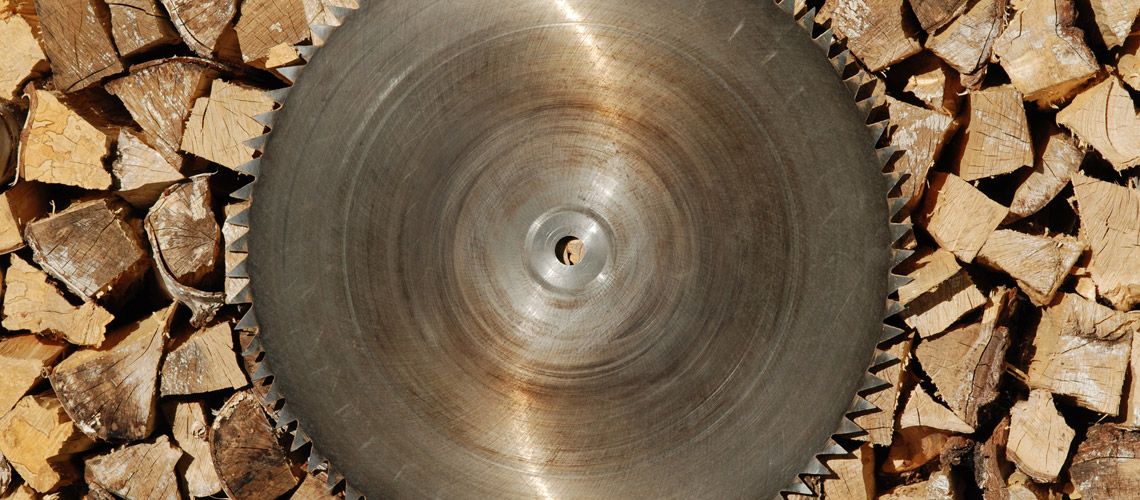




I used to change my Zenith Slitter blades every 21-28 days. Now I changes them every 43 days!
Noticeable difference in wear. Less time changing knives. 2 to 3 times longer life. Less grinding to resharpen.
Trenching teeth for digging trenches for highway underdrain systems lasted 1½ times longer.
D-2 dies were normally line-side polished 17 times in four months... after Cryo treatment, once in three months.
Greatly enhanced performance of calendar knives and Cameron cutter knives from every 1½ months to once a year.
It saves labor and time and doesn't change the properties as far as being able to resharpen the tools.
Treated end mills maintain better cutting edge capabilities giving a 5 to 1 ratio over non treated tooling.
We used 3-4 cobalt roughing end mills for a 60 piece run. After cryo we used 1 tool to run all 60 parts.
Treated slitter knives cutting corrugated paper went from lasting 2 weeks to 4-5 weeks after cryogenic treatment.
Average life for untreated Stanley #11-911 blades was 4-5 days. Treated blades are lasting 8-14 days.
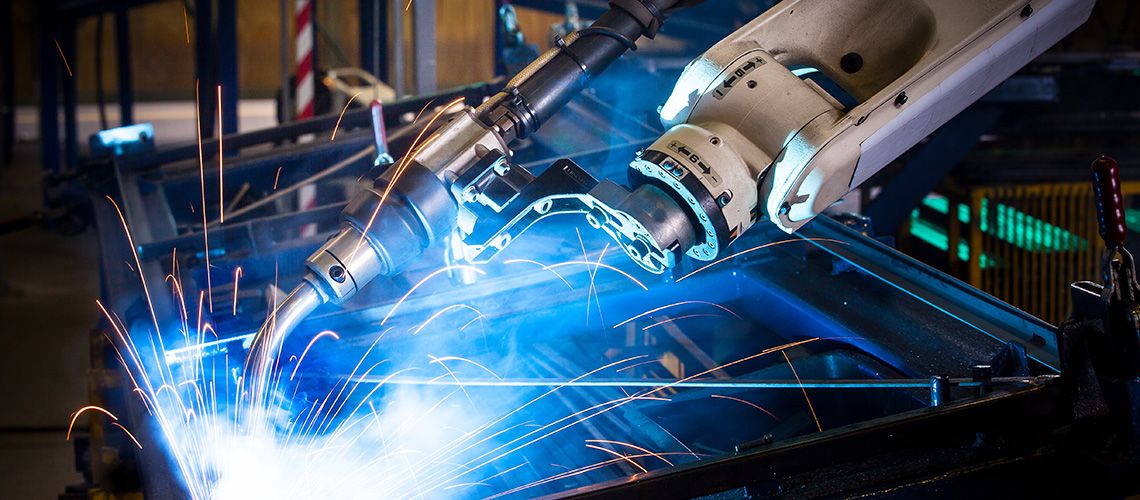
It has been discovered that deep cryogenic treatment of copper resistance welding electrodes will dramatically increase their useful life. Conservatively, they now experience an increase in service life of at least 3 to 5 times over untreated electrodes. These particular electrodes are Mallory Class 3 and are used for welding caps on TO-3 headers (power transistors).
The typical mode of failure for welding electrodes is thermal cyclic fatigue. The part is heated and cooled many times which causes cracks to form. The cracks then propagate and the surface starts to collapse. This changes the surface area which throws off the welding parameters and the part starts to fail rapidly. Cryogenic processing delays the initial cracking and reduces the resistivity of the part. The increased life reduces welding costs and increases profits. It also improves the quality of the weld.
Service life of deep cryogenically treated electrodes is extended in three ways:
| Average Life | Redress Stock Removal | Number of Redressings | |
| Before Treatment | 5 days | .008 to .010 | 5 |
| After Treatment | 22 day | .003 to .005 | 10 |
Cryogenics is the science of subjecting materials to temperatures below 70 degrees F. There are two forms of cryogenics: shallow and deep. Shallow cryogenics typically subjects materials to temperatures no lower than -110 degrees F. Deep cryogenics normally subjects materials to temperatures as low as -430 degrees F, depending on the application. Deep cryogenics is used to effect crystall restructuring and molecular enhancement of materials.
This article addresses deep cryogenics and how it improves the physical properties of metal, primarily copper alloys, used in resistance welding tips and tooling.
The normal cryogenic process as it is practiced today normally takes 30 to 40 hours, including heating at the end of the process. However, many cryogenics processing machines, as well as practitioners, may not heat the material at all. Read The Full Article (PDF)